

Lorem ipsum dolor sit amet consectetur adipiscing elit dolor
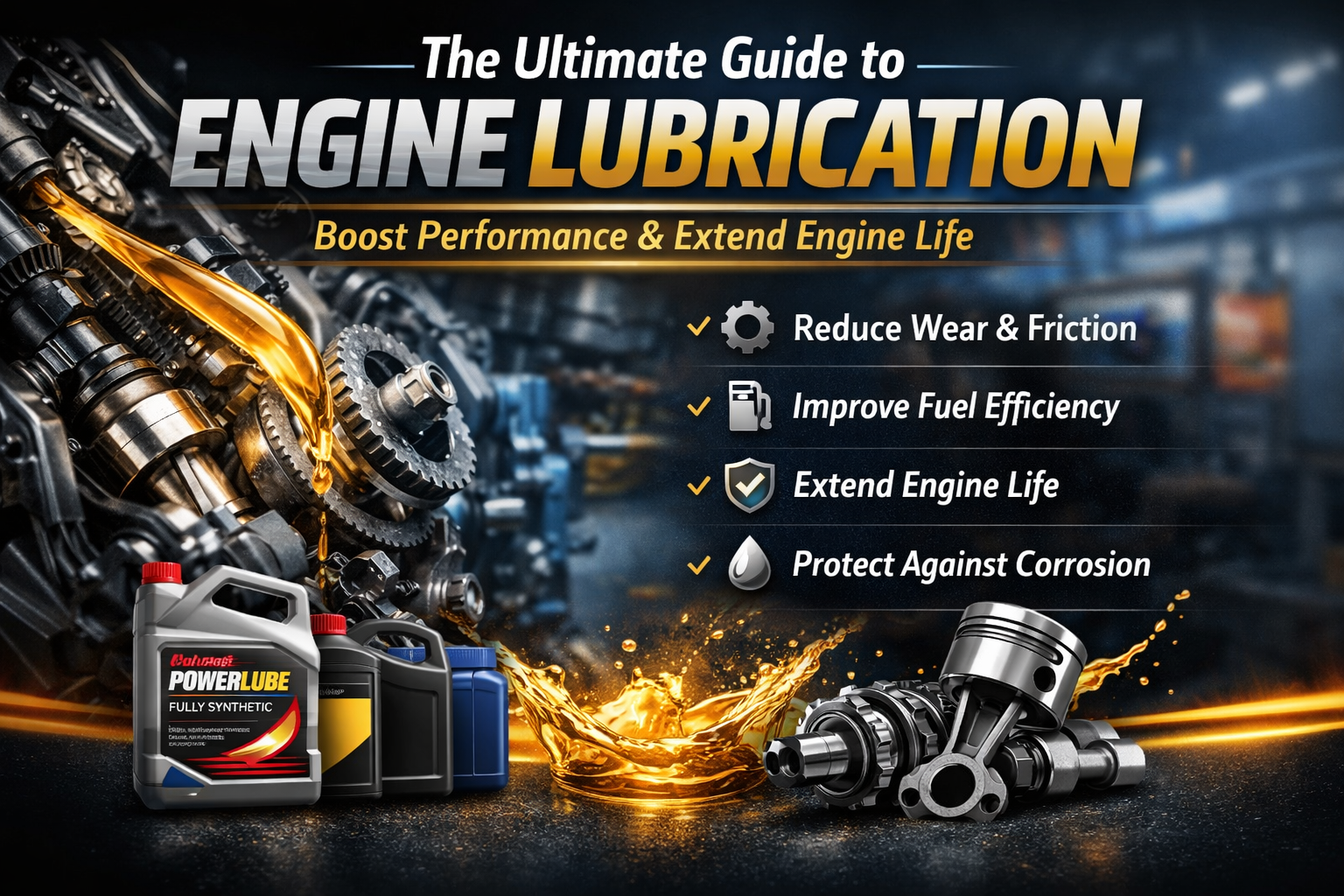
Choosing the best engine oil for your car is one of the most important decisions you can make to keep your vehicle running smoothly. Engine oil plays a critical role in protecting the engine, reducing friction between moving parts, and preventing overheating. Without the right oil, your engine can wear out faster and lead to costly repairs. In this blog, we will explore the different types of engine oil, their benefits, and how to choose the best one for your car.
Engine oil acts as the lifeblood of your vehicle’s engine. It lubricates the internal components, ensuring that metal parts move smoothly without damaging each other. It also helps cool the engine by carrying heat away from critical components. Additionally, engine oil cleans the engine by removing dirt, debris, and sludge that build up over time.
Without proper lubrication, engine parts would rub together, creating friction and heat that could cause serious damage. Regular oil changes and using the correct oil type can significantly extend the life of your car engine.
When choosing the best engine oil, it is important to understand the different types available in the market.
Conventional oil, also known as mineral oil, is derived directly from crude oil and has been used in cars for decades. It is generally cheaper and widely available, making it a common choice for many drivers. Conventional oil works well for older vehicles or cars that operate under normal driving conditions.
However, conventional oil has some limitations. It tends to break down faster under extreme temperatures and may require more frequent oil changes compared to synthetic oil. Typically, it needs to be replaced every 5,000 to 7,000 miles to maintain proper engine protection.
Synthetic oil is a high-performance lubricant that is chemically engineered to provide superior protection and efficiency. It contains fewer impurities and is designed to perform better under extreme temperatures and demanding conditions.
One of the biggest advantages of synthetic oil is its ability to last longer. Many synthetic oils can last between 10,000 and 15,000 miles before needing to be changed. This means fewer oil changes and better long-term engine protection.
Synthetic oil also flows more smoothly through the engine, reducing friction and improving fuel efficiency. Because of these benefits, many modern vehicles and high-performance cars recommend the use of synthetic oil.
Synthetic blend oil is a combination of conventional oil and synthetic oil. It offers a balance between performance and cost, making it a good choice for drivers who want better protection than conventional oil but at a lower price than fully synthetic oil.
This type of oil performs better than regular mineral oil and provides improved protection against heat and engine wear.
Selecting the right engine oil depends on several factors, including your car’s engine type, driving conditions, and manufacturer recommendations.
The most important step when choosing engine oil is checking your vehicle’s owner manual. Car manufacturers specify the recommended oil type and viscosity for each engine. Using the recommended oil ensures optimal performance and prevents potential damage to your engine.
Your driving habits also affect which engine oil is best. If you frequently drive in heavy traffic, extreme temperatures, or long distances, synthetic oil may provide better protection. Synthetic oils remain stable in both hot and cold temperatures, ensuring consistent lubrication.
Older vehicles with high mileage may benefit from conventional oil or high-mileage oil formulas that contain additives designed to protect aging engine components. Newer vehicles, especially those with turbocharged engines, often perform better with synthetic oil.
Several engine oil brands are known for their quality and performance. Some popular options include:
These oils are widely used because they offer strong engine protection, improved fuel efficiency, and better performance in extreme conditions.
Using the right engine oil offers many advantages, including:
High-quality synthetic oils are particularly effective at keeping engines clean and reducing harmful deposits, which helps maintain overall engine performance.
Choosing the best engine oil for your car is essential for maintaining engine performance and longevity. While conventional oil remains a cost-effective option for older vehicles, synthetic oil offers superior protection, better fuel efficiency, and longer service intervals.
Ultimately, the best choice depends on your car’s specifications, driving conditions, and budget. By following manufacturer recommendations and performing regular oil changes, you can ensure your engine remains healthy and reliable for years to come.
Signup our newsletter to get update information, news & insight